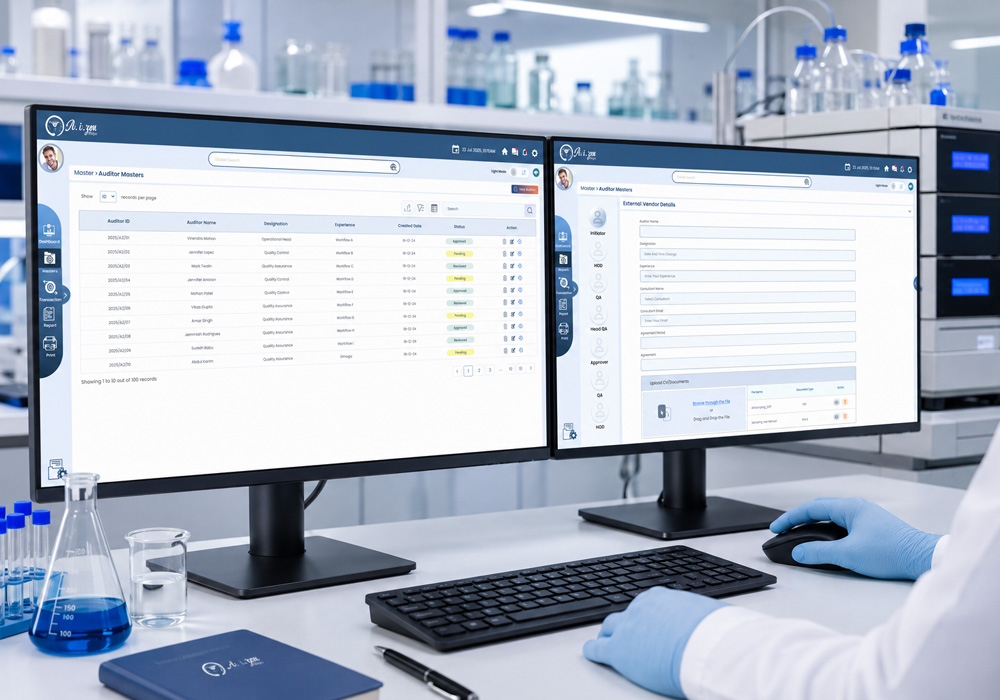
Every new GxP computerized system should demonstrate that it performs as intended before it enters production. Prospective validation provides the documented evidence needed to confirm system performance, support regulatory compliance, and reduce implementation risk.
A Structured Approach to New System Validation
Successful implementation of a GxP computerized system requires more than technical deployment. It requires a structured validation process that verifies system functionality, supports business operations, and meets applicable regulatory expectations.
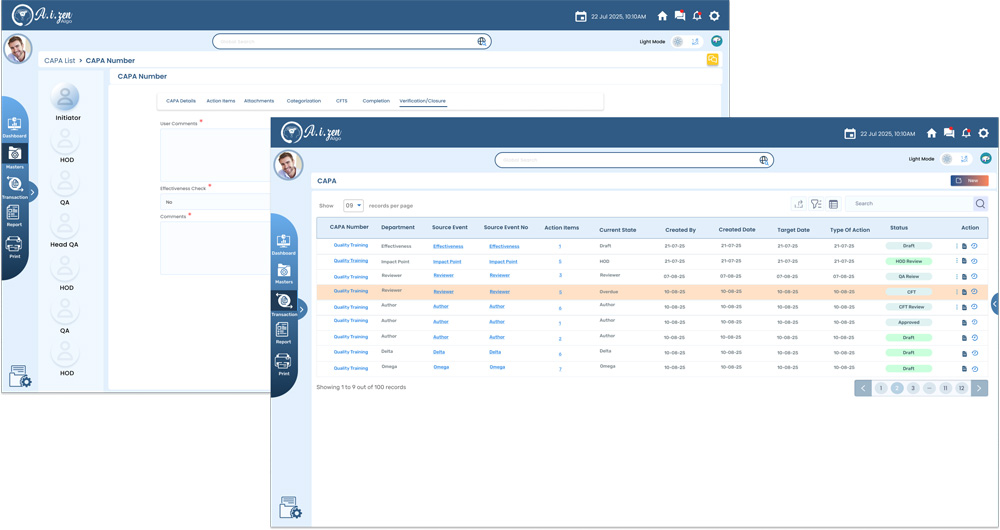
AiZen Algo partners with organizations to validate new GxP computerized systems using a practical, risk-based approach. We work alongside project teams through planning, requirements definition, qualification, documentation, and production release to establish compliant systems that are reliable, inspection ready, and built for long term use.
Service Inclusions
Validation Strategy & Planning
Develop a validation strategy, project plan, validation scope, timelines, and documentation framework that aligns with business objectives and regulatory requirements.
Requirements & Risk Assessment
Prepare and review User Requirements Specifications, Functional Specifications, and perform functional risk assessments to establish the appropriate validation and testing approach.
Qualification & Testing
Execute Installation Qualification, Operational Qualification, Performance Qualification, and validation testing to demonstrate that the system performs consistently as intended.
Documentation & Traceability
Develop validation protocols, reports, and traceability documentation that connects business requirements with qualification activities and testing outcomes.
Go Live & Compliance Support
Complete final validation reviews, support production readiness, facilitate controlled system release, and provide guidance to maintain compliance throughout implementation.
Delivery Approach
Plan
Define the validation strategy, project scope, deliverables, and implementation roadmap.
Assess
Review system requirements, evaluate risks, and establish the validation scope.
Validate
Perform qualification activities, execute validation testing, and document objective evidence.
Review
Verify documentation, confirm traceability, address observations, and ensure validation completeness.
Go Live
Support controlled production release and validation closure with all required documentation in place.
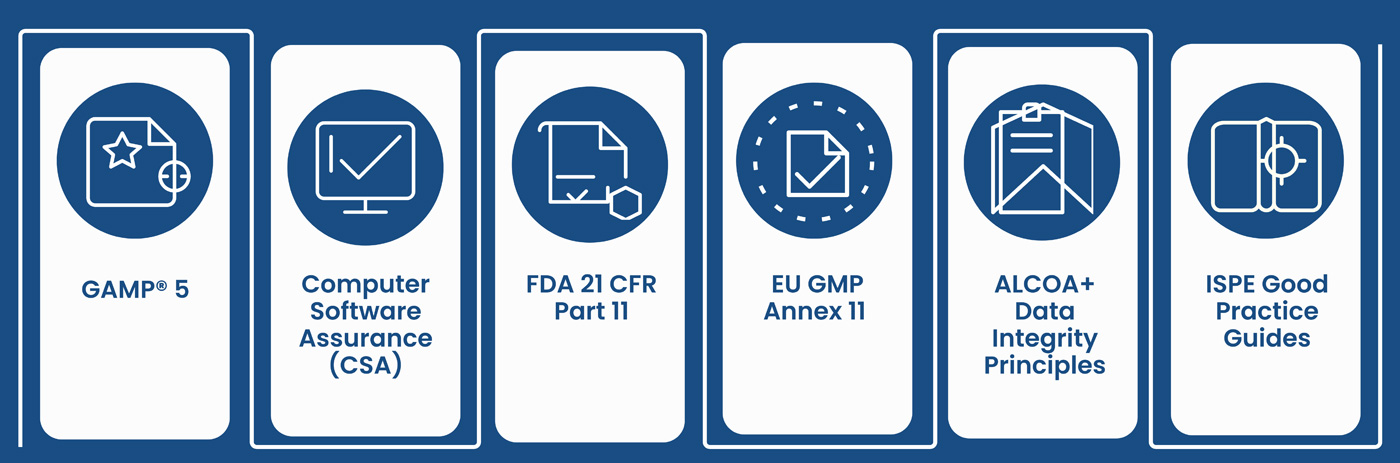
Compliance Framework
Our validation methodology aligns with globally recognized regulations, guidance documents, and industry best practices to help organizations achieve and maintain compliance.
Supported Platforms
Our prospective validation services support a wide range of GxP computerized systems used across quality, laboratory, manufacturing, and enterprise operations.
- Quality Management Systems (QMS)
- Laboratory Information Management Systems (LIMS)
- Document Management Systems (DMS)
- Manufacturing Execution Systems (MES)
- Electronic Batch Records (EBR and eBMR)
- Enterprise Resource Planning (ERP)
- Electronic Laboratory Notebooks (ELN)
- Laboratory Instruments and Analytical Systems
- Custom GxP Applications