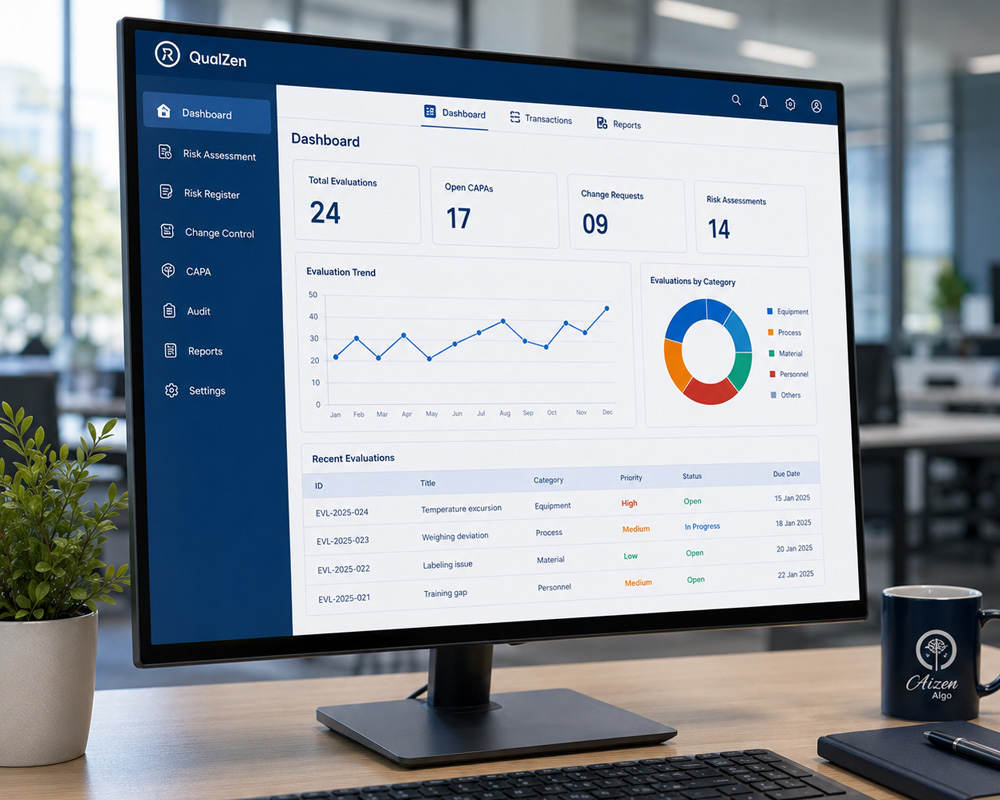

Legacy computerized systems continue to support critical GxP operations, but many were implemented before current validation expectations or lack complete validation evidence. Retrospective validation helps establish documented assurance that existing systems remain fit for their intended use while meeting current regulatory and business requirements.
Restoring Compliance Across Existing GxP Systems
Many organizations rely on legacy applications that have evolved through upgrades, configuration changes, and operational use over several years. In many cases, validation documentation is incomplete, outdated, or no longer reflects the current state of the system, creating compliance risks during audits and regulatory inspections.
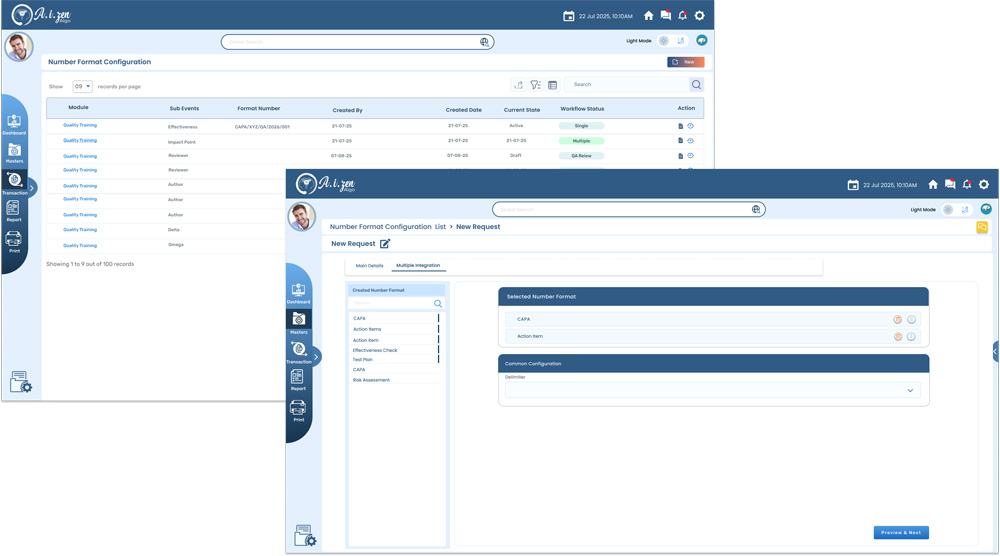
AiZen Algo helps organizations assess legacy GxP computerized systems, identify validation gaps, and implement structured remediation activities. Our risk-based approach strengthens compliance while minimizing disruption to ongoing business operations and maintaining confidence in existing systems.
Service Inclusions
Legacy System Assessment
Evaluate existing computerized systems to understand their intended use, operational status, validation history, and overall compliance posture.
Validation Gap & Risk Assessment
Review validation documentation, system configuration, and operational controls to identify compliance gaps, assess system risks, and define remediation priorities.
Validation Documentation
Prepare or update validation plans, qualification documents, traceability records, protocols, reports, and supporting validation evidence aligned with current regulatory expectations.
Compliance Remediation
Execute remediation activities, address identified validation gaps, strengthen procedural controls, and support corrective actions required to restore compliance.
Validation Maintenance
Provide guidance for change management, periodic reviews, documentation updates, and ongoing validation practices to help maintain the validated state of legacy systems.
Delivery Approach
Every retrospective validation engagement follows a structured methodology that restores validation confidence while supporting uninterrupted business operations.
Assess
Review the current system, existing documentation, and operational controls.
Identify
Determine validation gaps, compliance risks, and documentation deficiencies.
Plan
Develop a practical remediation strategy based on system risk and regulatory expectations.
Remediate
Update validation documentation, execute required activities, and implement corrective actions.
Maintain
Support long term validation maintenance through governance, periodic review, and change management.
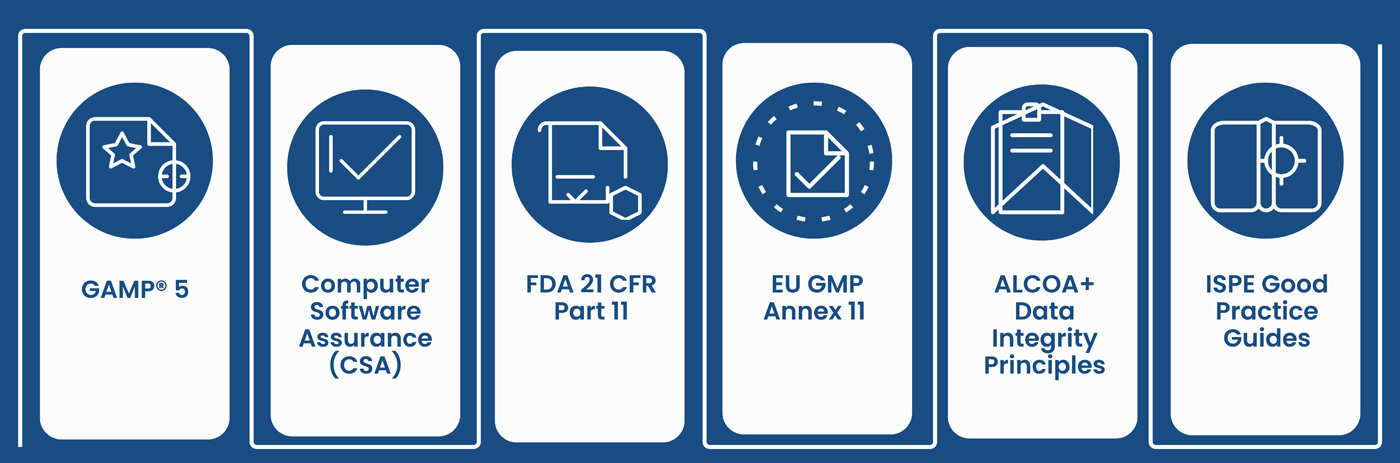
Compliance Framework
Our retrospective validation approach aligns with recognized regulatory requirements and industry guidance for maintaining compliant computerized systems.
Supported Platforms
Our retrospective validation services support a broad range of legacy GxP computerized systems across regulated operations.
- Quality Management Systems (QMS)
- Laboratory Information Management Systems (LIMS)
- Document Management Systems (DMS)
- Manufacturing Execution Systems (MES)
- Electronic Batch Records (EBR and eBMR)
- Enterprise Resource Planning (ERP)
- Electronic Laboratory Notebooks (ELN)
- Laboratory Instruments and Analytical Systems
- Custom GxP Applications